WHAT IS FINANCIAL FREEDOM?
Financial freedom in India means having enough income (from investments, rent, pensions, or business) to meet living expenses without relying on a salaried job, allowing you to live on your own terms.-
HOW DOES ONE ACHIEVE FINANCIAL INDEPENDENCE?
You can achieve financial independence by building assets such as real estate, mutual fund SIPs, stocks, or fixed deposits that generate regular income and cover your monthly needs. -
WHAT IS A FINANCIAL GOAL?
A financial goal in India could include saving for a child’s education (via Sukanya Samriddhi Yojana), buying a house, planning for a wedding, or building a retirement corpus through NPS or EPF. -
WHAT IS FINANCIAL SECURITY?
Financial security means having enough savings and insurance (like term insurance or health insurance) to handle emergencies, retire peacefully, and fulfill key life goals. -
HOW DOES DEBT IMPACT FINANCIAL FREEDOM?
Loans with high EMIs (like personal loans or credit card debt) can reduce your ability to save and invest, slowing down your path to financial freedom. -
WHAT IS THE ROLE OF SAVINGS IN FINANCIAL INDEPENDENCE?
Savings (in PPF, recurring deposits, or mutual funds) create a financial cushion that supports investment growth and handles uncertainties. -
WHAT IS NET WORTH?
Your net worth is the total of your assets (property, gold, mutual funds) minus liabilities (home loans, personal loans, credit card dues). -
WHAT IS THE 50/30/20 BUDGETING RULE?
Allocate 50% of your income to needs (EMIs, groceries), 30% to wants (dining out, shopping), and 20% to savings and investments (SIPs, RD, PPF). -
WHAT IS PASSIVE INCOME?
Passive income in India can include rental income, dividends from shares, interest from FDs, or affiliate marketing online. -
HOW CAN INVESTING HELP ACHIEVE FINANCIAL INDEPENDENCE?
Systematic investing in equity mutual funds, PPF, and stocks can build long-term wealth and generate income that replaces your salary. -
WHAT IS THE DIFFERENCE BETWEEN ACTIVE AND PASSIVE INCOME?
Active income comes from your job or business, while passive income flows from investments like REITs, mutual funds, or rental properties. -
WHAT IS THE 4% RULE IN RETIREMENT PLANNING?
The 4% rule suggests that withdrawing 4% annually from your retirement corpus (like NPS or MF portfolio) is sustainable for lifelong income. -
WHAT IS AN EMERGENCY FUND AND WHY IS IT IMPORTANT?
An emergency fund (3-6 months’ expenses in a liquid FD, savings account, or liquid fund) helps you handle job loss, medical bills, or unexpected expenses. -
WHAT IS MULTIPLE STREAMS OF INCOME?
Having income from a job, freelance work, real estate, dividends, or digital content creation adds financial stability and growth. -
WHAT DOES IT MEAN TO BE FINANCIALLY SECURED?
Being financially secure means having stable income, insurance coverage, and enough savings to handle life goals and emergencies without stress. -
WHAT IS A DEBT-TO-INCOME RATIO?
This ratio compares your monthly debt (EMIs) to your monthly income. Ideally, it should be under 40% to ensure good financial health. -
WHAT IS THE BEST WAY TO PAY OFF DEBT QUICKLY?
Use the snowball method (clearing smallest debts first) or avalanche method (paying highest-interest debt first) to reduce debt faster. -
WHAT IS THE ROLE OF CREDIT IN FINANCIAL INDEPENDENCE?
Good credit (CIBIL score of 750+) helps you get better loan rates and easier approvals for home or vehicle loans. -
HOW DOES THE STOCK MARKET HELP ACHIEVE FINANCIAL FREEDOM?
By investing in Indian equities through direct stocks or mutual funds, you can grow your wealth over time with compounding returns. -
WHAT IS GOOD DEBT VS. BAD DEBT?
Good debt (like a home loan with tax benefits) can create appreciating assets; bad debt (like credit card loans) leads to high interest outflows. -
WHAT DOES IT MEAN TO LIVE BELOW YOUR MEANS?
Spend less than you earn. This habit ensures surplus for saving, investing, and planning for the future. -
WHAT IS THE IMPORTANCE OF HAVING A FINANCIAL PLAN?
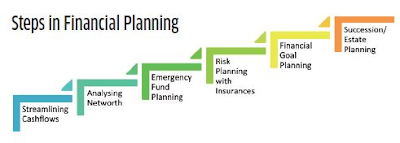
A financial plan gives you clarity on your income, expenses, and goals (like children’s education, home purchase, or retirement), and helps you stay disciplined. -
HOW CAN YOU BUILD A STRONG CREDIT HISTORY?
Always repay EMIs and credit card bills on time, maintain a healthy credit mix, and keep credit utilization under 30%. -
WHAT IS A 529 PLAN AND ITS INDIAN ALTERNATIVE?
India doesn’t have 529 plans, but you can invest in Sukanya Samriddhi Yojana, PPF, or ELSS for tax-saving education planning. -
WHAT IS A FINANCIAL EMERGENCY?
A sudden expense like job loss, medical emergency, or car breakdown that can disrupt your financial stability. -
WHAT IS A STOCK DIVIDEND?
It is a share of profits distributed by Indian companies to shareholders, often reinvested for compounding returns. -
WHAT IS A BUDGETING SYSTEM AND WHY IS IT IMPORTANT?
Budgeting helps you track income and expenses, prioritize savings, and avoid overspending—crucial for middle-class families. -
HOW CAN I START INVESTING IF I’M A BEGINNER?
Start a SIP in mutual funds through platforms like Groww, Zerodha Coin, or Paytm Money. Begin small, be consistent. -
WHAT IS A TAX-ADVANTAGED ACCOUNT IN INDIA?
Instruments like PPF, NPS, EPF, and ELSS offer tax deductions under Section 80C or 80CCD, reducing your taxable income. -
WHAT IS A ROTH IRA AND ITS INDIAN EQUIVALENT?
A Roth IRA is similar to ELSS mutual funds, where gains after a certain period (1+ years) are taxed minimally or are tax-free up to ₹1 lakh per annum. -
HOW CAN I REDUCE MY TAX LIABILITY IN INDIA?
Invest under Section 80C, buy health insurance (Section 80D), invest in NPS (Section 80CCD), and avail HRA and standard deductions. -
WHAT IS AN EMERGENCY FUND AND HOW MUCH SHOULD I HAVE?
Maintain 3–6 months of living expenses in a savings account or liquid fund to handle emergencies. -
WHAT IS THE DIFFERENCE BETWEEN LIQUID AND ILLIQUID ASSETS?
Liquid assets: cash, savings, mutual funds; Illiquid: land, property, gold jewellery. -
WHAT IS COMPOUNDING AND HOW DOES IT HELP?
In compounding, your returns earn more returns. SIPs in equity funds over 10–15 years can significantly multiply your investment. -
WHAT IS A GOOD INVESTMENT STRATEGY IN INDIA?
Diversify across mutual funds, gold, stocks, FDs, and real estate. Invest based on goals and risk appetite. -
HOW CAN I IMPROVE MY FINANCIAL LITERACY?
Follow Indian finance blogs (like JagoInvestor, Cleartax), watch YouTube finance channels, read RBI and SEBI publications. -
WHAT IS A LIQUIDITY EMERGENCY FUND?
Keep funds in a liquid mutual fund or high-interest savings account for immediate access in emergencies. -
WHAT DOES IT MEAN TO LIVE A FRUGAL LIFE?
Spending mindfully, avoiding wasteful expenses, and prioritizing savings and investments for long-term peace. -
WHAT IS A WEALTH-BUILDING STRATEGY?
Save early, invest regularly, minimize debt, and increase income sources (freelance, rent, side hustle). -
WHAT IS A HEALTH SAVINGS ACCOUNT (HSA) IN INDIA?
India doesn’t have HSAs, but health insurance with critical illness cover and health riders serve similar purposes. -
WHAT IS THE IMPORTANCE OF RETIREMENT PLANNING IN INDIA?
With limited social security, you need your own corpus via EPF, NPS, mutual funds, and pensions to retire comfortably. -
WHAT DOES IT MEAN TO HAVE A FINANCIAL MINDSET?
Being disciplined, future-focused, avoiding impulsive spending, and being consistent with savings and investments. -
WHAT IS THE DIFFERENCE BETWEEN FIXED AND VARIABLE EXPENSES?
Fixed: rent, EMI, tuition; Variable: groceries, fuel, entertainment. -
WHAT IS A PENSION PLAN IN INDIA?
LIC Jeevan Akshay or NPS Tier I are popular pension schemes providing post-retirement income. -
WHAT IS A 401(K) LOAN AND INDIAN EQUIVALENT?
Similar to taking a loan against your EPF in India for specific purposes like housing or education. -
WHAT IS A HIGH-YIELD SAVINGS ACCOUNT IN INDIA?
Banks like IDFC First, AU Small Finance, and Kotak offer savings accounts with higher interest rates (up to 7%). -
HOW CAN I AVOID COMMON FINANCIAL MISTAKES?
Don’t rely only on FDs. Avoid unnecessary loans, track expenses, invest early, and insure adequately. -
HOW DOES SPENDING LESS HELP ACHIEVE FREEDOM?
Lower expenses = higher savings = more investment = faster path to financial freedom. -
WHAT DOES IT MEAN TO BE FINANCIALLY FREE?
Having assets that generate enough income so you don’t need to depend on a monthly salary. -
WHAT IS A GOOD SAVINGS RATE IN INDIA?
Aim to save at least 30% of your income—split across emergency funds, SIPs, insurance, and retirement.